
The Benefits of Drip Irrigation in Arid Regions
What is Drip Irrigation?
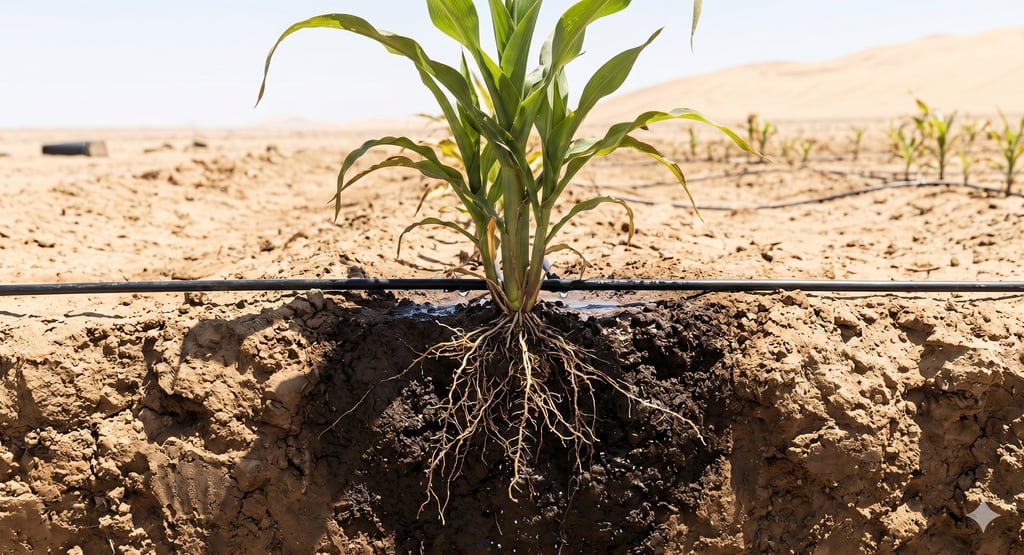
Drip irrigation is a highly efficient agricultural technique designed to deliver water directly to the root zones of plants via a network of tubes, pipes, and emitters. This method contrasts sharply with traditional irrigation systems, such as furrow or sprinkler irrigation, which distribute water over a larger area, often leading to higher evaporation rates and runoff. By targeting the water application specifically at the plant's roots, drip irrigation minimizes wastage, resulting in significant water conservation—a critical consideration in arid regions where water scarcity is a recurring challenge.
The core principle of drip irrigation revolves around controlled water release. Emitters, which are strategically placed along the tubing, allow for a slow and steady supply of moisture to be delivered to each plant. This precision enables farmers to maintain optimal soil moisture levels, ultimately promoting healthier growth and enhancing crop productivity. In fact, numerous studies have shown that crops irrigated using this system can yield up to three times more produce compared to those relying on conventional methods with similar water inputs.
Moreover, the efficiency of drip irrigation is not merely limited to water conservation. It also reduces the incidence of leaf wetness, which can diminish the risk of fungal diseases. This reduction in disease pressure often leads to less reliance on chemical inputs, contributing to more sustainable farming practices. Additionally, the system can be designed to incorporate nutrients through fertigation, allowing for more targeted and effective application of fertilizers. Overall, the advancements offered by drip irrigation make it an essential tool for enhancing food security in water-stressed regions, underscoring its growing adoption among modern agricultural practices.
Water Conservation and Efficiency
Drip irrigation has emerged as a critical innovation in water conservation, especially in arid regions where water scarcity poses ongoing challenges. This method allows for the precise delivery of water directly to the base of plants, thereby minimizing evaporation and runoff - two major contributors to water waste in traditional irrigation systems. The significance of this approach is particularly evident in regions where water is a limited resource.
Statistics reveal that drip irrigation can reduce water consumption by up to 50% compared to surface or flood irrigation methods. Case studies from various agricultural sectors demonstrate that farmers utilizing drip systems have achieved substantial water savings, allowing them to cultivate crops more sustainably. For instance, a study conducted in California's Central Valley showcased an increase in crop yield by 20% while simultaneously reducing water usage significantly, showcasing the dual benefits of enhanced production and resource conservation.
In addition to conserving water, drip irrigation systems also enhance soil moisture retention. By delivering small amounts of water directly to the plant roots, this method reduces the volume of water needed for irrigation and ensures that plants receive a consistent supply of moisture. The ability to regulate water application based on plant requirements further optimizes water use efficiency. Furthermore, the installation of such systems can contribute to better nutrient distribution, as water can be enriched with fertilizers that can be applied directly to plant roots, thereby maximizing nutrient uptake.
Overall, the integration of drip irrigation in arid regions represents a transformative approach to addressing water scarcity issues. It stands out as a proactive solution in agricultural management, effectively reducing water waste while fostering resilient crop production in challenging climates.
Enhancing Crop Yield and Quality
Drip irrigation is recognized as one of the most efficient irrigation strategies, particularly in arid regions where water is a limited resource. This method of irrigation allows for the precise application of water, directly targeting the root zones of plants. By delivering moisture and nutrients in controlled amounts, drip irrigation not only conserves water but also plays a significant role in enhancing crop yield and quality.
One of the primary benefits of drip irrigation is its ability to provide the exact amount of water that plants need for optimal growth. This targeted watering technique minimizes water wastage and reduces the likelihood of overwatering, which can lead to root rot and other detrimental conditions. Moreover, with less water evaporating from the soil surface, the moisture level remains consistent, helping plants to thrive even in arid conditions. The cultivation of healthy plants is directly linked to improved agricultural outcomes.
In addition to conserving water, drip irrigation facilitates effective nutrient management. Utilizing fertigation—where fertilizers are dissolved in irrigation water—farmers can ensure that nutrients are delivered to plants in a timely and efficient manner. This method ensures that crops receive a balanced supply of nutrients precisely when they require it, resulting in greater nutrient uptake and improved plant health.
Healthy plants are not only more productive but also tend to exhibit better quality characteristics, such as size, flavor, and marketability. The enhanced microclimate around the roots created by drip irrigation fosters a more favorable environment for plant growth, further contributing to the overall yield and quality of the crops produced.
Ultimately, as agriculture faces the challenges posed by climate change and water scarcity, drip irrigation stands out as a viable solution. By enhancing crop yield and quality, this irrigation method not only supports food security but also promotes sustainable farming practices in arid regions.
Long-term Sustainability and Economic Benefits
Drip irrigation offers significant long-term sustainability advantages, particularly in arid regions where water scarcity is a pressing concern. This irrigation method delivers water directly to the plant roots, minimizing evaporation and reducing deep percolation losses. Such targeted delivery not only conserves water but also promotes healthier soil by reducing the risk of salinization—a common issue in dry climates.
A key aspect of long-term sustainability is the enhancement of soil health. Drip irrigation systems facilitate better moisture retention in the soil, leading to improved microbial activity and nutrient availability. As organic matter and moisture content increase, soils become more resilient, supporting agriculture that can withstand the challenges of arid environments. Furthermore, healthy soil is crucial for long-term agricultural viability, making drip irrigation an essential practice for sustainable farming.
From an economic perspective, drip irrigation significantly reduces labor costs while enhancing operational efficiency for farmers. Systems can be automated, minimizing the need for manual labor during irrigation. This efficiency translates to reduced operational costs and allows farmers to allocate resources more effectively. Additionally, because drip irrigation optimizes water usage, crops often yield higher quality produce, which can lead to better market prices and increased profitability.
Investment in drip irrigation can appear daunting initially; however, the potential for higher returns through improved crop production makes it a sound economic choice. Farmers employing this method can establish themselves in competitive marketplaces, reaping financial benefits over time. By integrating sustainable practices with economic incentives, drip irrigation not only fosters ecological balance but also enhances agricultural livelihoods.
Sitemap
Home
Our Legacy
Specifications
Global Trade
Contact
Global Trade Desk
info@revairrigation.com
Padma Plast, V-13, Near MSWC, MIDC
Maharashtra, India - 425003
© 2026 REVA Irrigation-Padma Plast. Established 2000.
ISI-Certified Precision