
The Ultimate Guide to Installing a High-Quality Drip Irrigation System
Introduction: Why Drip Irrigation is a Game-Changer
In recent years, drip irrigation has emerged as a revolutionary technique, transforming the landscape of gardening and landscaping for home gardeners and DIY enthusiasts alike. This method delivers water directly to the plant roots in a controlled manner, resulting in significant water savings compared to traditional irrigation methods. By utilizing a drip irrigation system, users can minimize water wastage and ensure that their plants receive the optimal amount of moisture, even in arid conditions.
One of the most compelling benefits of drip irrigation is its impact on plant health. By directing water precisely where it is needed, this method encourages deeper root growth and helps prevent fungal diseases that can arise from overhead watering. Plants thrive when their roots are kept moist yet not overly saturated, making drip irrigation an ideal solution for a variety of crops, flowers, and garden types.
Moreover, implementing a drip irrigation system can save substantial amounts of time in garden maintenance. Once set up, these systems can automatically deliver water, allowing gardeners to focus on other critical tasks, such as planting and harvesting, instead of constantly monitoring their garden's hydration needs. Automated timers can further enhance convenience by scheduling watering sessions according to the plants' requirements, optimizing their performance while ensuring the least consumption of water.
In summary, the adoption of a drip irrigation system not only conserves water but also enhances overall gardening efficiency and plant vitality. With its many advantages, this modern irrigation technique is undoubtedly a game-changer in sustainable gardening, promoting healthy plants while yielding superior results for consumers dedicated to improving their gardening practices.
Measuring Your Garden Space and Mapping Out the Layout
To successfully install a high-quality drip irrigation system, the first step involves careful planning, starting with measuring your garden space accurately. This process is vital to determine the appropriate components required for your specific layout, which includes the sizing of tubing, emitters, and connectors. Begin by sketching a rough outline of your garden area, and use a measuring tape to record the dimensions of the entire space, including distinguishing features such as pathways and existing landscaping elements.
Once you have the dimensions, consider the layout of your plants. It is critical to take into account the type, size, and spacing of the plants you intend to irrigate, as different plants may have varying water requirements. For instance, larger plants with extensive root systems may need more frequent watering compared to smaller, more drought-resistant varieties. Make note of this information on your garden map, ensuring that plants with similar water needs are grouped together.
Additionally, evaluate the sunlight exposure across your garden to ascertain which areas receive full sun, partial shade, or full shade. This environmental factor significantly influences both plant health and water needs, enabling you to devise a more efficient irrigation layout. For instance, shaded areas may require less frequent watering, which should be reflected in your design.
Finally, incorporating these measurements and considerations into a detailed map will help you maximize the effectiveness of your drip irrigation system. Each line of tubing should be mapped out to ensure even distribution of water throughout the garden, accommodating the specific needs of your plants while leveraging the unique characteristics of your garden space. Through these careful steps, you will be better equipped to create a tailored design that meets your garden’s unique needs.
The Shopping List: Essential, High-Quality Components
When embarking on the installation of a high-quality drip irrigation system, selecting the right components is crucial for achieving optimal results in your gardening efforts. The following essential items form the foundation of a successful system and should be chosen with care to ensure durability, efficiency, and long-term performance.
Firstly, a timer is an indispensable component of your drip irrigation setup. It enables you to schedule the watering cycles automatically, preventing over-watering and conserving water resources. Opt for programmable models that offer flexibility and ease of use, as these will adapt to the varying needs of your plants.
Next, a quality filter is fundamental to maintain the health of your irrigation system. It protects emitters and tubing from debris and sediment, thus ensuring uninterrupted water flow. Choose a filter that suits the water source you are using, as this will minimize maintenance efforts in the long run.
A pressure regulator is also essential for many drip irrigation systems. By controlling the water pressure, it ensures that emitters function effectively without risking damage. Selecting a regulator that matches your water source pressure will improve consistency and efficiency.
Furthermore, the tubing used for your system plays a vital role in effective water distribution. High-quality poly tubing is recommended as it is resistant to UV rays and environmental wear. Pair it with suitable emitters specific to your plants' watering needs – options range from pressure-compensating to adjustable flow emitters, catering to different garden layouts.
Finally, don’t overlook the importance of durable fittings. These connectors and adapters ensure that all components work together seamlessly without leaks. Quality fittings will save you from frequent replacements and contribute to the longevity of your entire system.
Incorporating these essential components will not only maximize the effectiveness of your drip irrigation system but also provide peace of mind regarding system durability and maintenance. Choosing high-quality components over cheaper alternatives is a investment that pays off with better results in your garden.
Step-by-Step Installation Guide
Installing a high-quality drip irrigation system can greatly enhance your gardening experience, providing efficient water delivery directly to the plant roots. The installation process, while straightforward, requires attention to detail to ensure optimal performance. Below is a comprehensive guide to help you through the installation of your drip irrigation system.
Begin by connecting to the water source. This typically involves attaching a pressure regulator to your garden hose or main water supply. Ensure that the pressure matches the specifications of your drip system to prevent damage. Always incorporate a backflow preventer to protect your water source from contamination.
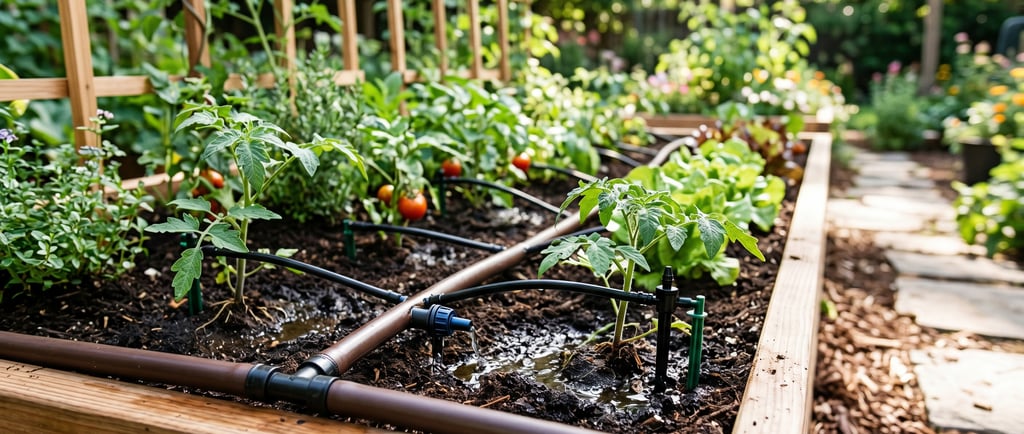
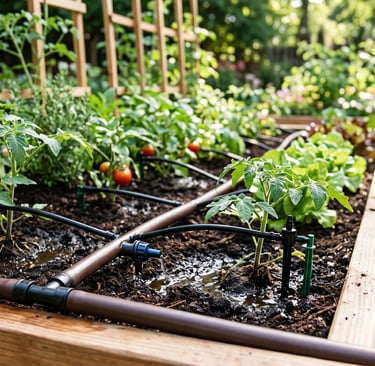
Next, lay out the main line. Typically, this consists of a series of tubing that will distribute water throughout your garden. Plan the layout ensuring that the main line covers the entire area you wish to irrigate. Secure the tubing in place using stakes or hooks as necessary to avoid movement during operation.
Once the main line is established, it’s time to install the emitters or drippers. These components are critical for delivering water directly to the roots of your plants. Depending on your planting arrangement, you may need to adjust the spacing of the emitters for optimized water distribution. Attach them securely to the main line tubing.
With the components in place, it’s vital to flush the system and check for leaks. Flushing will help remove any debris from the system before it’s put into operation. Simply turn on the water supply and let it run through the system for a few minutes. Inspect every connection for leaks; if found, tighten or replace the fittings accordingly.
To ensure the longevity of your drip irrigation system, implement regular maintenance practices. This may include cleaning filters, checking emitters for blockages, and winterizing the system to protect it from freezing temperatures. Taking these precautions will help maintain an efficient and reliable watering solution for your plants.
Sitemap
Home
Our Legacy
Specifications
Global Trade
Contact
Global Trade Desk
info@revairrigation.com
Padma Plast, V-13, Near MSWC, MIDC
Maharashtra, India - 425003
© 2026 REVA Irrigation-Padma Plast. Established 2000.
ISI-Certified Precision